
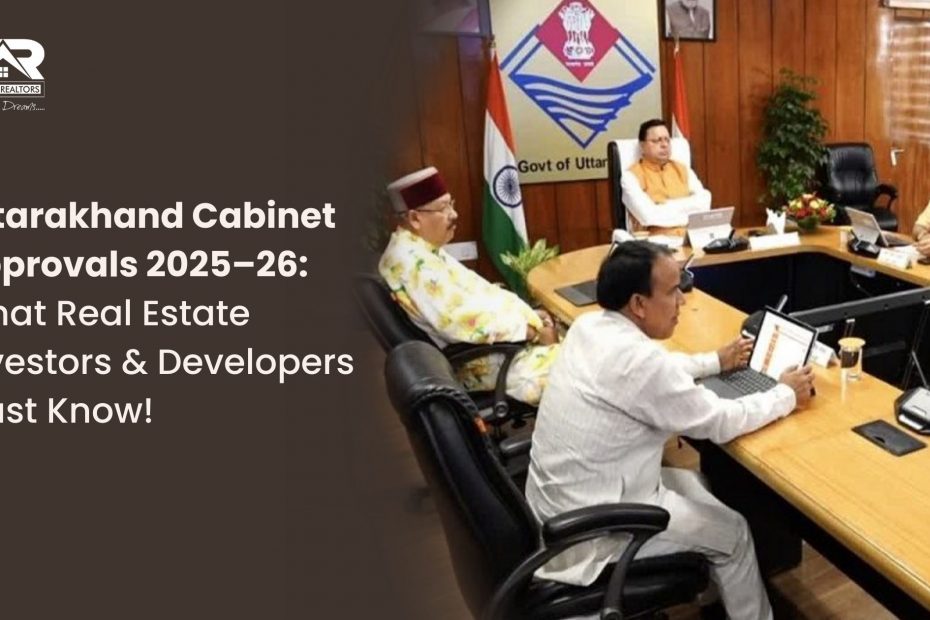
In late 2025 and early 2026, the Uttarakhand Cabinet, headed by Chief Minister Pushkar Singh Dhami, approved a series of major policy decisions affecting urban planning, construction norms, tourism development, agricultural land use, and land acquisition rules.
These changes are designed to promote planned urbanisation, sustainable construction practices, and regulated land use across the state of Uttarakhand — crucial information for developers, investors, and property owners. (source:Indian Masterminds)
Below is a simplified and fact-checked summary of the most important reforms and how they may impact real estate and property development in Uttarakhand.
1. Boost for Sustainable Development: Green Building Incentives in Uttarakhand
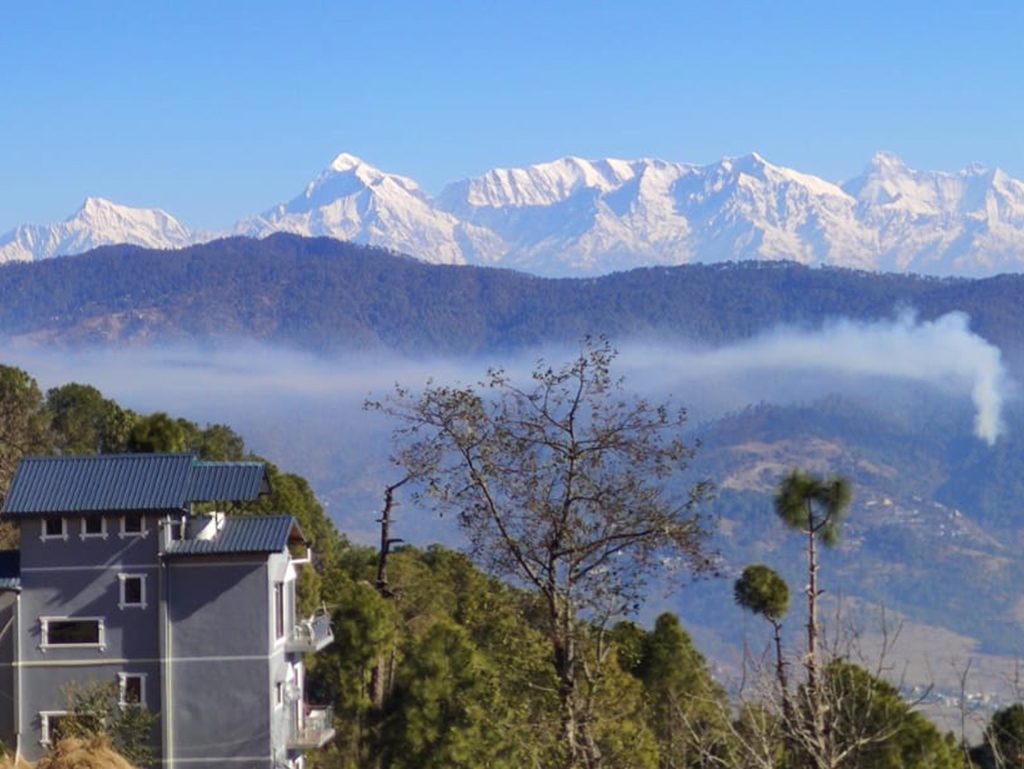
So, one of the key decisions made by the Uttarakhand Cabinet was to promote green building standards by offering additional Floor Area Ratio (FAR) incentives for projects that meet sustainability and energy efficiency criteria. This move is part of the Scheme for Special Assistance to States for Capital Investment (SASCI) 2025–26 from the Government of India. (source:First India)
What this means for developers:
- Projects designed with green building certifications (such as energy-efficient systems, renewable energy, cool or green roofs) can qualify for higher FAR. (source: First India)
- A higher FAR means more buildable area on the same plot, increasing project potential without expanding land footprint — a major incentive for sustainable construction in Uttarakhand’s urban and semi-urban areas.
2. Easing Construction Norms for Commercial & Tourism Development in Uttarakhand

The Cabinet also approved the rationalisation of building construction and development norms:
- Ground coverage requirements for commercial buildings have been simplified, with emphasis now mainly on setback rules.
- Height and parking norms for hotel, resort, and eco-tourism projects have been updated for clarity and practicality.
These changes make it easier to design commercial structures and tourism infrastructure — particularly beneficial for investors in hospitality projects across Uttarakhand’s key destinations. (source: The Daily Jagran)
3. Agricultural Land Use Reforms: Resorts Without Land-Use Conversion
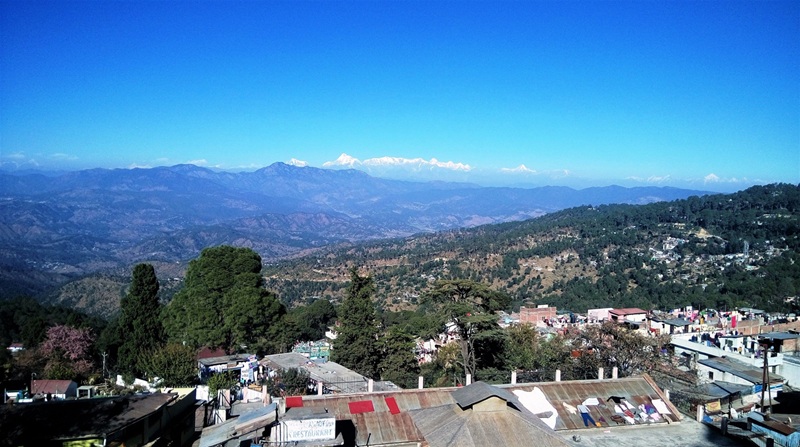
In a significant shift, the government now allows construction of resorts on agricultural land without requiring formal land-use conversion — similar to the existing provision for eco-resorts. (source:First India)
To support this change, the required access road width has been reduced to 6 meters in hilly zones and 9 meters in plains. (source: First India)
So, why this matters:
This opens new tracts of rural and agricultural land for tourism and hospitality development — a huge opportunity for developers targeting Uttarakhand’s tourism markets.
4. Town Planning and Land Pooling for Future Cities

To bring structure to future urban expansion, the Cabinet approved two major frameworks:
a. Uttarakhand Town Planning Scheme (Implementation) Rules, 2025
These rules are aimed at creating planned urban areas with integrated road networks, housing, and community facilities. (source:First India)
b. Uttarakhand Land Pooling Scheme (Implementation) Rules, 2025
The new land pooling framework allows the government to aggregate land from multiple owners, develop it with infrastructure, and then return plots to landowners in the newly developed urban plan rather than paying cash compensation. (source: First India)
Impact for property stakeholders:
- Landowners and developers get a stake in future urban land value.
- The scheme encourages the orderly expansion of urban centres such as Dehradun, Haridwar, Haldwani, and emerging towns. (source: Pioneer Edge)
5. Land Use Regulation: Outsider Land Restrictions (Important Context)

It’s important to clarify that separate land laws passed in early 2025 restrict the sale of agricultural and horticultural land to outsiders in most districts, with limited exceptions for Haridwar and Udham Singh Nagar. However, a Non-residents can only buy up to 250 sq metres for residential purposes with special approval — a measure to protect local interests. (Source: Scroll.in)
Note: These laws are separate from the construction and town planning reforms but affect land availability and transfer.
6. Infrastructure & GST/Compliance Measures
While not directly tied to real estate planning, the Cabinet also cleared decisions related to infrastructure projects and finance rules, ensuring upfront deposit of taxes with later reimbursements, which can impact large development contractors and project cash flows. (source: Garhwal Post)
What This Means for Real Estate in Uttarakhand
These recent policy updates reflect the Uttarakhand government’s dual focus on:
- Sustainable, planned urban expansion, and
- Boosting tourism and commercial investments while protecting local land use.
Key takeaways for investors and developers:
- Use green building incentives to enhance project value.
- Explore tourism and resort development on agricultural land under new relaxations.
- Engage with the land pooling scheme for future city projects.
- Be aware of outsider land restriction laws when planning land acquisitions.
Conclusion
The Uttarakhand Cabinet’s decisions in late 2025–early 2026 mark a turning point for property and urban development in the state. With incentives for sustainability, simplified norms for commercial and tourism construction, and structured planning frameworks like land pooling, stakeholders have new opportunities — if they adapt quickly to the evolving policy landscape.
Therefore, by aligning development strategies with these reforms, real estate investors, developers, and landowners can better position themselves to benefit from Uttarakhand’s growth trajectory.