
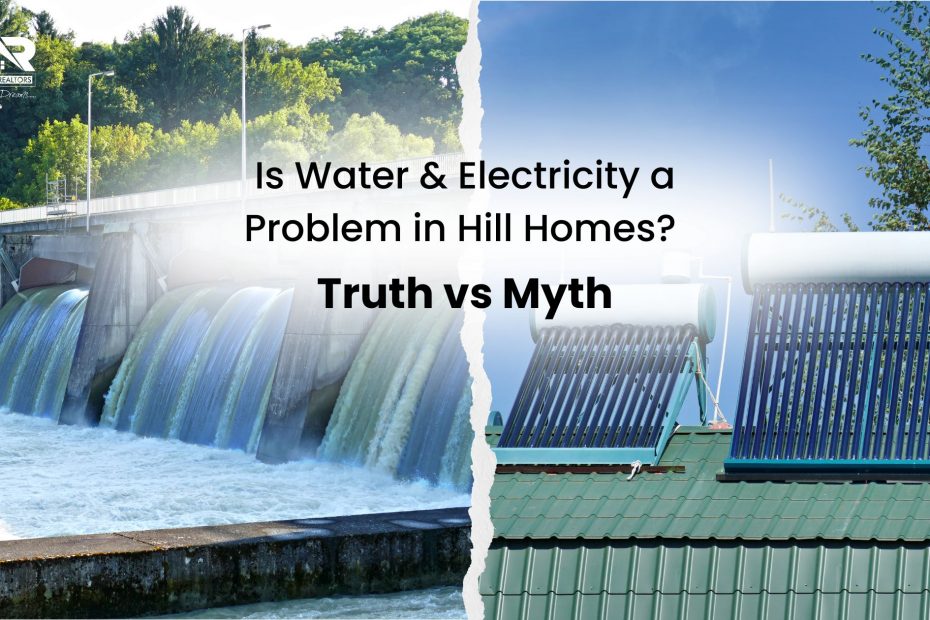
One of the most common questions people ask before buying a home in the hills is:
“Will I face water and electricity problems?”
Many people love the idea of owning a home in the mountains, but they often worry about basic facilities. Stories about remote villages, power cuts, or water shortages sometimes create the impression that living in the hills is difficult.
But how much of this is actually true?
Let’s separate the myths from reality.
Myth 1: There Is No Reliable Water Supply in Hill Areas
This is one of the biggest misconceptions about hill living.
The truth is that water availability depends largely on the location and development of the property. Well-planned residential projects and established towns usually have proper water supply systems in place.
Just like in cities, some areas have better infrastructure than others. Before buying a property, it is important to understand the source of water, storage arrangements, and how the community manages supply.
Most modern residential developments ensure that residents have access to a regular water supply throughout the year.
So, the real question is not whether the property is in the hills, but whether the project has proper infrastructure.
Myth 2: Electricity Is Always Unreliable
Many people imagine hill homes sitting in complete darkness during frequent power cuts.
The reality is very different.
Popular hill destinations and growing residential areas have significantly improved power infrastructure over the years. Electricity is available in most developed locations, just as it is in many urban areas.
Like any part of India, occasional power interruptions can happen due to weather conditions or maintenance work. However, this does not mean residents constantly struggle without electricity.
In fact, many modern township developments and residential communities have backup arrangements and infrastructure designed to provide a comfortable living experience.
Myth 3: Working Remotely Is Difficult in the Hills
The rise of remote work has changed the way people think about hill living.
Today, many professionals spend weeks or even months working from mountain destinations. Improved connectivity and infrastructure have made this possible in several parts of Uttarakhand.
Before purchasing a property, buyers should check internet availability and mobile network coverage in the area. In well-developed locations, remote working is becoming increasingly common.
This is one reason why second homes in the hills have become so popular among professionals and entrepreneurs.
The Real Challenge: Choosing the Right Property
Most concerns about water and electricity are not really about the hills themselves.
They are usually related to choosing a property without checking the infrastructure.
Before buying, ask questions such as:
- What is the source of the water supply?
- Is there water storage available?
- How is the electricity infrastructure managed?
- Is the area part of a planned development
- What facilities are available for residents?
A little research before purchasing can help avoid surprises later.
Why Planned Communities Make a Difference
Many buyers today prefer planned townships instead of isolated properties because they offer better infrastructure and maintenance.
In a well-planned community, facilities are typically designed from the beginning to support residents comfortably.
Benefits often include:
- Organized infrastructure
- Better maintenance systems
- Improved utility management
- Easier access to essential services
- A more secure and convenient living environment
This gives buyers greater peace of mind, especially if they plan to use the property as a second home.
Looking Beyond Old Assumptions
The perception that hill homes automatically mean poor infrastructure comes from experiences that may no longer reflect reality.
As tourism, real estate development, and demand for second homes continue to grow, many hill destinations have seen significant improvements in facilities and connectivity.
Today’s buyers are not just looking for vacation homes. They want spaces where they can spend extended periods, work remotely, retire comfortably, or enjoy a healthier lifestyle.
This shift has encouraged better infrastructure across many residential developments.
A Better Way to Experience Hill Living
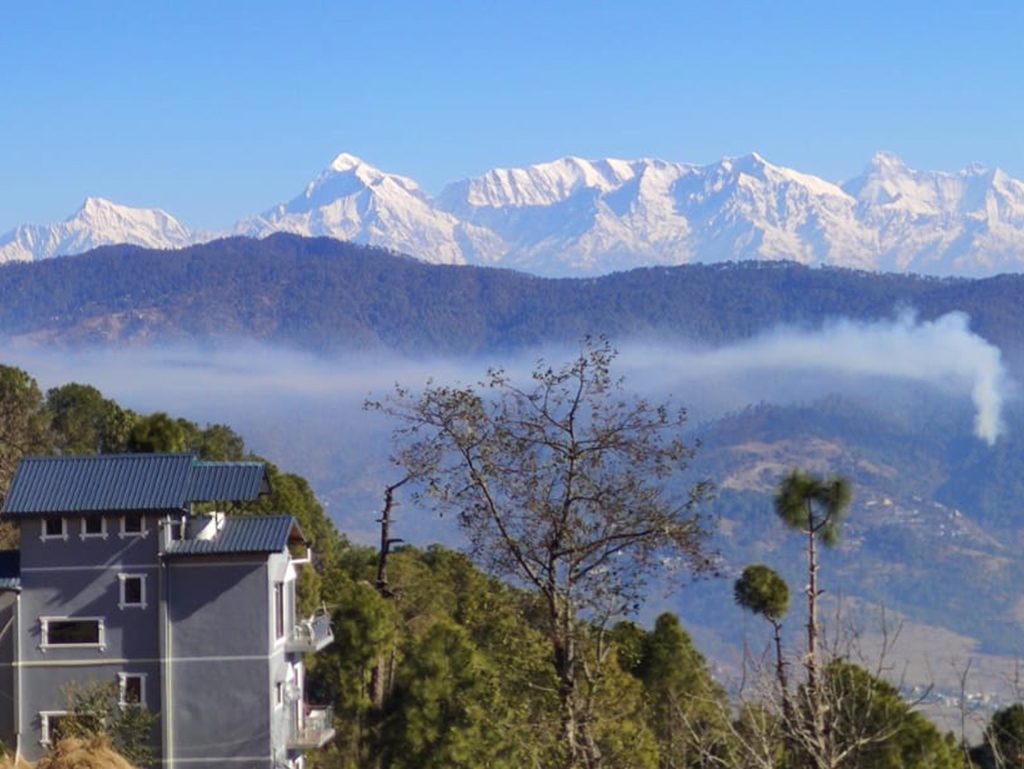
Projects like Ewen Park, located near the beautiful surroundings of Ranikhet, are designed with modern living requirements in mind.
Instead of compromising between nature and convenience, buyers can enjoy both. The focus is on creating a comfortable environment where residents can experience the peace of the hills while having access to essential infrastructure and planned development.
For families looking for a second home, retirement retreat, or long-term investment, choosing a well-planned township can make all the difference.
Final Thoughts
Are water and electricity a problem in hill homes?
The answer is simple: not necessarily.
The reality depends far more on the property’s location, infrastructure, and planning than on the fact that it is in the hills.
If you choose a well-developed area and a thoughtfully planned project, you can enjoy all the benefits of mountain living without many of the concerns people often associate with it.
The key is to look beyond myths, do your research, and choose the right property for your needs. A hill home today can offer not just beautiful views, but also comfort, convenience, and peace of mind.